


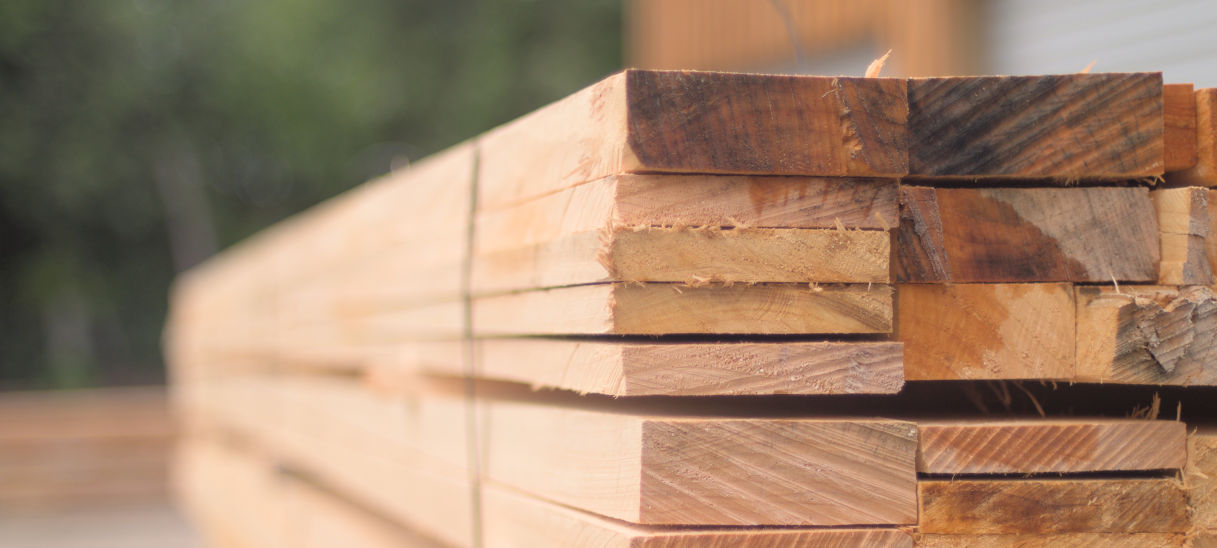

MacBlack Timber offers a range of quality timbers, locally-grown and harvested in New Zealand, in a variety of grades and dimensions—see our species list below. Customers can select their own boards from our retail racks at our yard in Whanganui. For larger orders, or to organise delivery around New Zealand, please get in touch.
Species
Cypress
Macrocarpa – C. macrocarpa
Ovens cypress – C. ovensii
Mexican cypress – C. lusitanica
Leylands cypress – C. leylandii
Acacia
Blackwood – A. melanoxylon
Silver wattle – A. dealbata
Eucalyptus
Mountain Ash – E. regnans
Brown Barrel – E. fastigata
Southern mahogany – E. botryoides
Blackbutt – E. pilularis
White Stringybark – E. globoidea
Yellow Stringybark – E. muelleriana
Tallowwood – E. microcorys
Silver top Stringybark – E. laevopinea
Other
English Elm – Ulmus procera
English Oak – Quercus robur
Coast Redwood – Sequoia sempervirens
Himalayan Cedar – Cedrus deodara
Poplar (Populus nigra/deltoides/yunnanensis hybrids)
Dimensions
Standard dimensions:
-
Width: 50, 100, 150, 200mm
-
Thickness: 25, 40, 50, 100mm
Grades
Clear - Clear 3 sides, very minor marks
Dressing/Select - Mostly clear but with small occasional faults such as small black knot or tight knot etc. Ability to select clear lengths for joinery.
No. 1 panelling - Tight knot, occasional black mark or small bark inclusion
Merch - Larger tight knots, black knots and bark inclusions
Boxing/garden - No limit on knots, splits, sap, bark inclusions, insect damage, small pockets of dry rot etc
Learn more about timber grades here.
Pricing
Please get in touch for a copy of the current price list.